To clean a caravan or motorhome before winter storage, work from the ground: wash the roof first with a soft brush on a telescopic pole, then the sides from top to bottom, rinse with soft (limescale-free) water and let everything dry completely before the cover goes on. No ladder, and no climbing on the roof.
The season’s over, the awning is packed away and the van is heading into storage. It’s tempting to park it just as it came back from holiday — but bird droppings, dead insects, tree sap and the first green algae then have a whole winter to bake in. Below: why the timing matters, why the roof comes first, which brush and cleaner are safe on paintwork, gelcoat and acrylic windows, and how to get it properly dry under the cover. There’s a step-by-step guide and a checklist at the end.
Looking for the basics of a routine wash? See caravan and motorhome cleaning. This article is about the big end-of-season clean (or, if you’re in the US, getting your RV ready for winter).
Why it matters before storage
The dirt from a summer on the road is more than a cosmetic issue. Some of it is harsh on the finish, and some of it holds on to moisture. Leave it there all winter — often under a cover or in a damp barn — and it’s much harder to shift in spring.
- Bird droppings and insects Both can mark paintwork or gelcoat if left for long, especially after a few cycles of wet and dry weather. The sooner they come off, the less chance of dull patches.
- Tree sap and road grime If you parked under trees or near a busy road, there’s a sticky film on the roof and sides. Fresh dirt sticks to it all too easily.
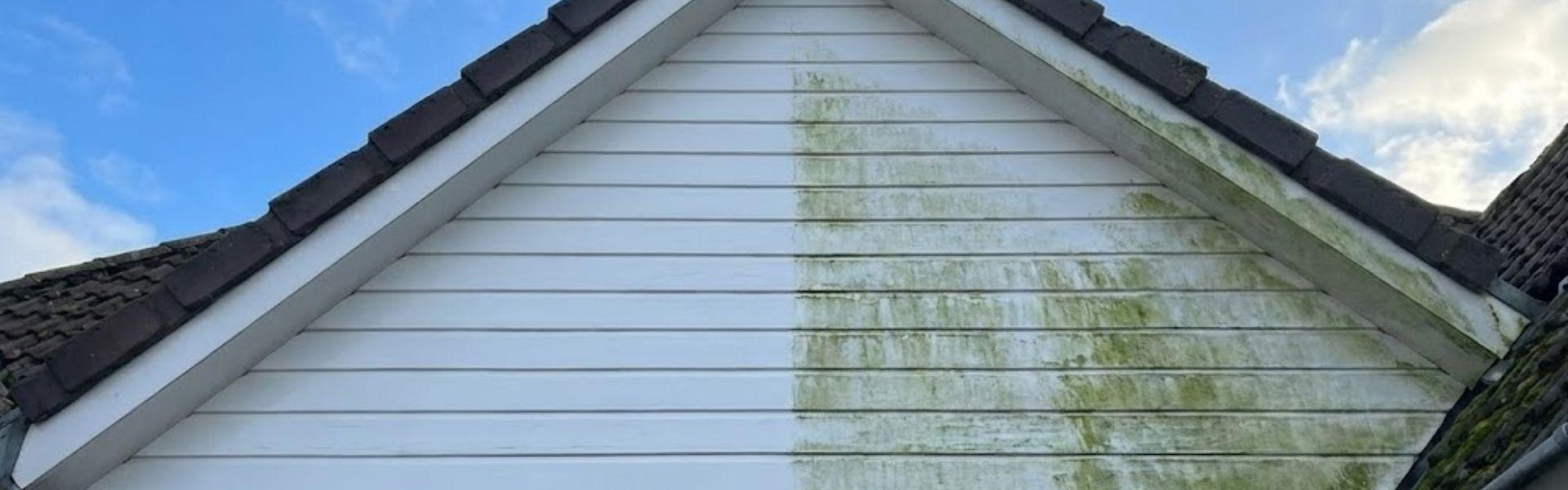
- Green algae Algae love damp and low light — exactly what a caravan gets in storage. A green haze in October is a solid layer by April, especially on the roof and along the sealant joints. More on that in green algae removal.
- Black streaks After a season, dark rain streaks often run down from the roof edge and window seals. Fresh, they brush off easily; after months they’re ingrained in the surface.
Roof first — and from the ground
The roof is the dirtiest part of a caravan or motorhome, and the part you see least. Leaves, sap and standing water collect up there. So always start at the top: whatever you rinse off the roof runs down the sides. Do the sides first and you’ll simply be doing them again.
Don’t climb onto the roof to do it. Many caravan and motorhome roofs aren’t designed to be walked on — check your vehicle’s handbook — and a wet, soapy roof is a bad place to keep your balance. There are also rooflights, an air-con unit, an aerial or solar panels in the way that you really don’t want to step on. With a telescopic pole you stay on the ground beside the van and reach over the edge of the roof.
| Model | Working length | Weight | Suits |
|---|---|---|---|
| Aluminum Supreme 3.5 m | 3.1 m | 1.7 kg | Sides and windows; the roof edge of a low caravan |
| Aluminum Supreme 5.5 m | 5.1 m | 2.2 kg | Well over the roof of most caravans and motorhomes, to the middle |
| Aluminum Supreme 7.5 m | 7.1 m | 2.6 kg | Tall motorhomes and vans — or if you’ll use it on the house as well |
Swipe sideways to see the whole table →
The taller the vehicle, the more steeply you hold the pole — and the more length you need to reach the middle of the roof. Not sure? The pole finder will point you in the right direction in a few questions. A HexaLock® angle adapter sets the brush flatter on the roof, so you’re not just working with its edge.
The right brush and the right cleaner
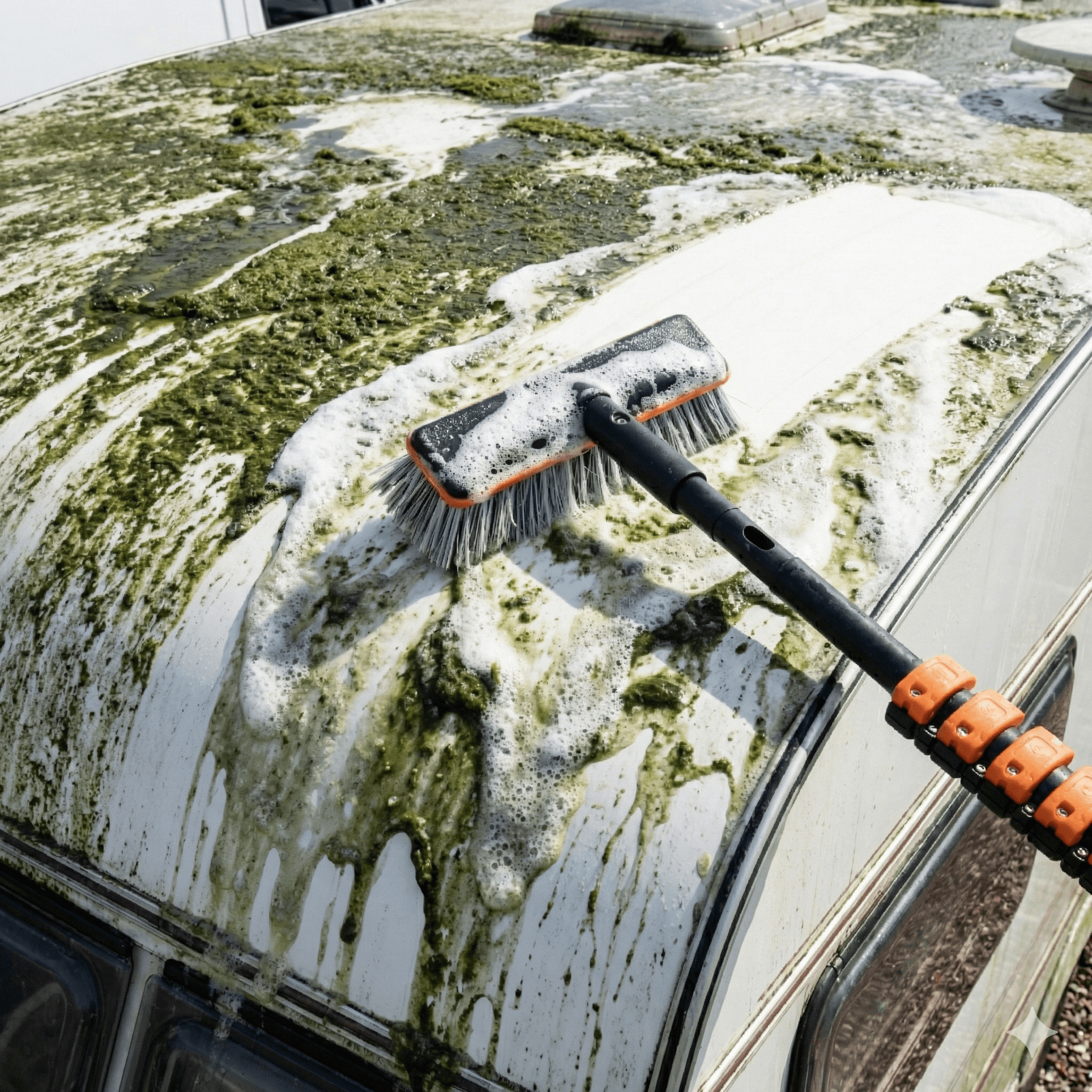
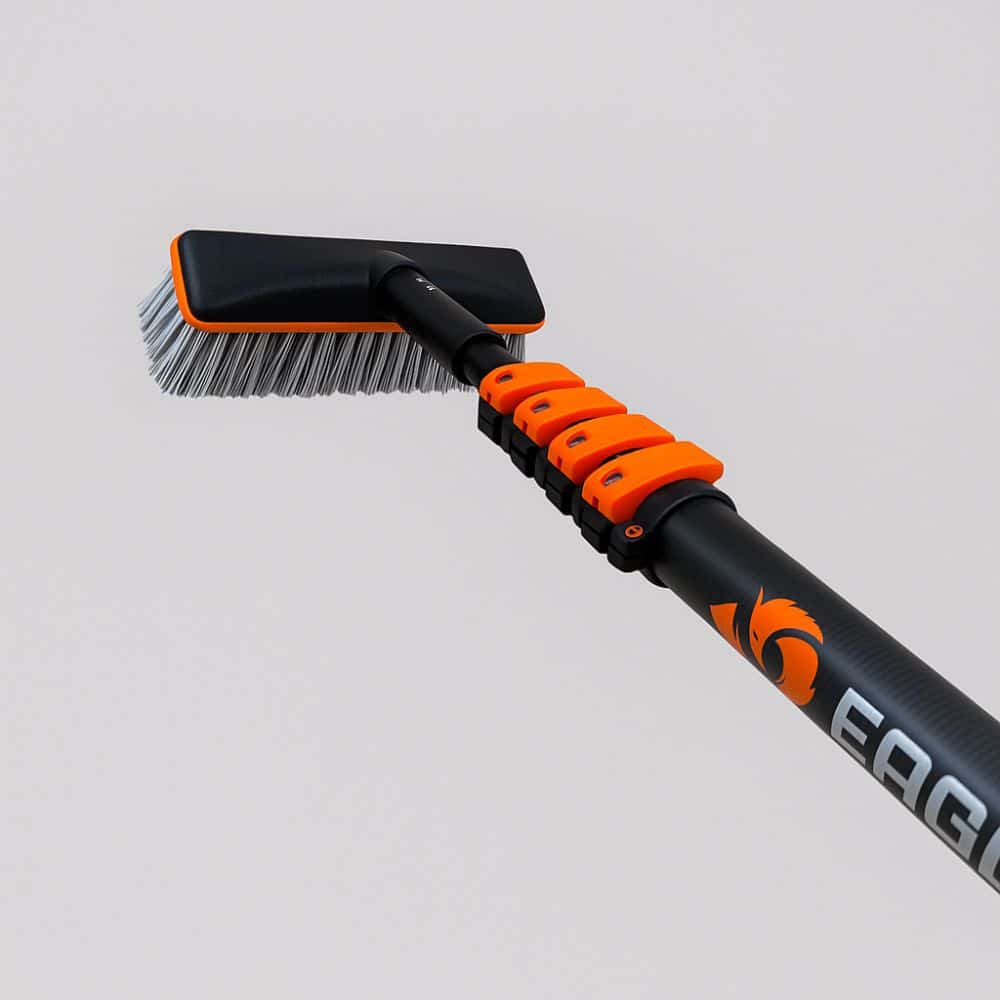
Caravans and motorhomes have delicate surfaces: paintwork or gelcoat on the sides and acrylic windows that scratch easily. A stiff car-wash brush or a scouring pad will leave marks. The SoftWash Brush — a caravan cleaning brush, not the chemical ‘soft washing’ method used on roofs — has extra soft, flagged bristles made for paintwork, plastics and gelcoat. It deliberately has no jets: on vehicles you want the soapy water to sit for a moment and loosen the dirt, rather than being rinsed straight off.
There’s no need for a bucket you’d have to lift up high. The SoapFlow soap dispenser sits between the garden hose and the pole; the control dial lets you dose the soap and switch quickly to clean water. Fill it with Allround Cleaner, a concentrated multi-surface cleaner that removes dirt and light grease — exactly the traffic film that builds up on a vehicle over a season. For which brush suits which surface, see our brush guide.
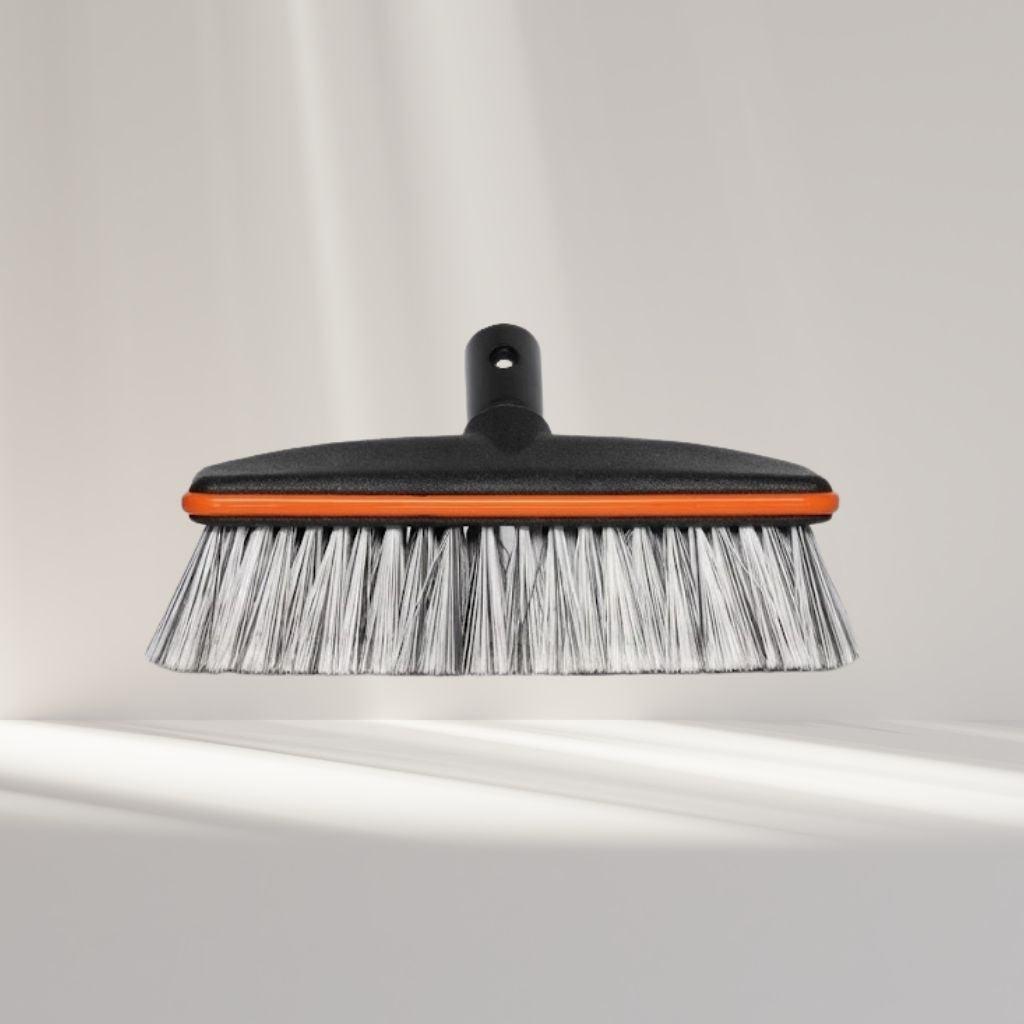
SoftWash Brush
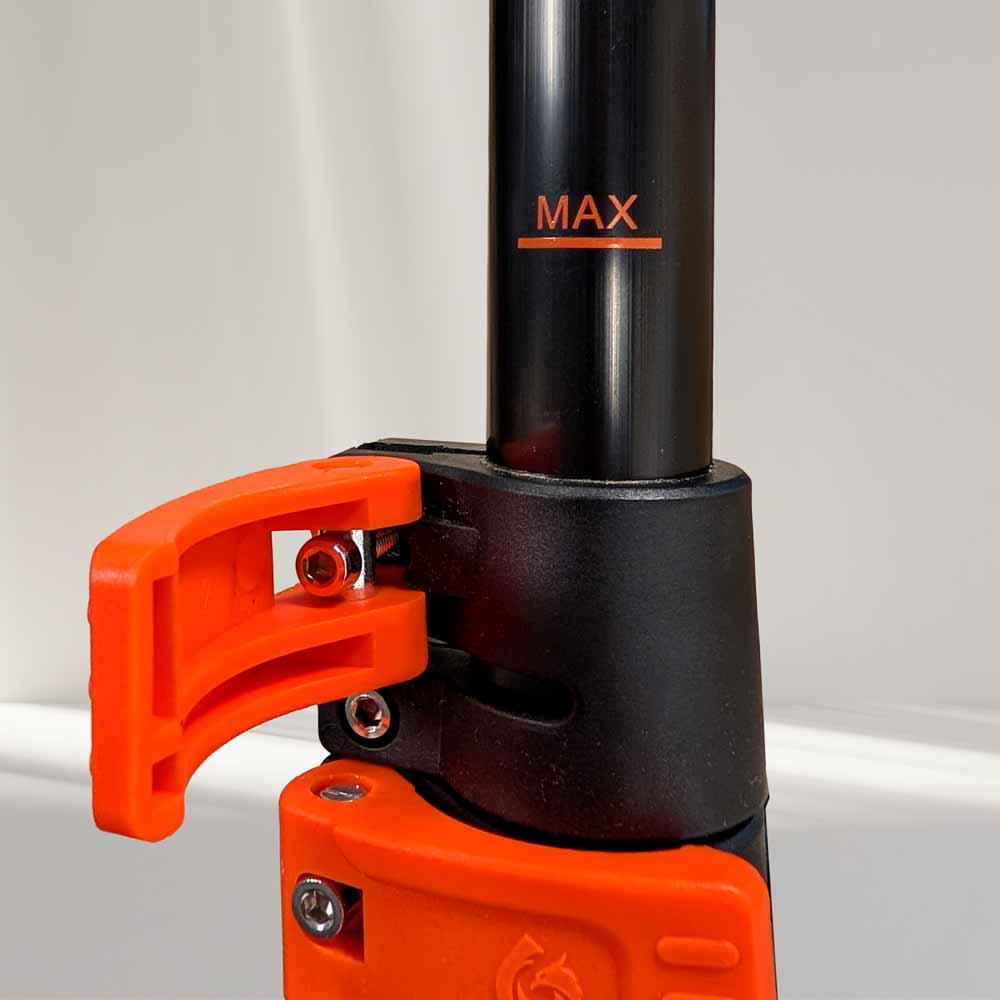
Extra soft split bristles, 35 cm wide and lightweight. Safe on paintwork, plastics and gelcoat: for caravans, motorhomes, boats and cars. Clicks onto any Eagle Extend® telescopic pole in one go with HexaLock®.
Step by step: the big clean before winter
How to do it
- 1Pick a dry, overcast day
In full sun the soap dries on before you can rinse. Park the van level with room all round to work with the pole, and check that rooflights, windows and the door are shut.
- 2Rinse off loose dirt
Rinse the whole vehicle with clean water first, roof first. Any grit and leaves you wash away now can’t act like sandpaper under the brush later.
- 3Soap the roof and let it soak
Turn the SoapFlow to soap, extend the pole and soap up the roof. Leave it for a few minutes, but don’t let it dry.
- 4Brush the roof in steady strokes
Work from one side towards the middle in overlapping strokes, then from the other side. Light pressure is enough: the soft bristles and the soap do the work. Take extra care around rooflights and solar panels.
- 5Work from top to bottom
After the roof come the sides: top edge first, then the windows, then the lower panels, with the wheel arches last. That way dirty water always runs over areas still to be done.
- 6Rinse with soft water
Turn the SoapFlow to water and rinse everything thoroughly, again from top to bottom. Ordinary tap water leaves limescale spots as it dries, especially on dark paintwork and windows. With the PureFlow water softener between the outdoor tap and the pole, it dries spot-free.
- 7Check sealant and rubber seals
Now that everything’s clean, it’s easiest to see: run your eye along the sealant around the roof, windows and rooflights, and check the rubber seals for cracks or gaps. A small crack spotted now saves a damp problem in spring.
- 8Let everything dry thoroughly
If a cover is going on, let the vehicle dry completely — including the joints and around the rooflights. Moisture trapped under a cover is an ideal breeding ground for mould and fresh algae.
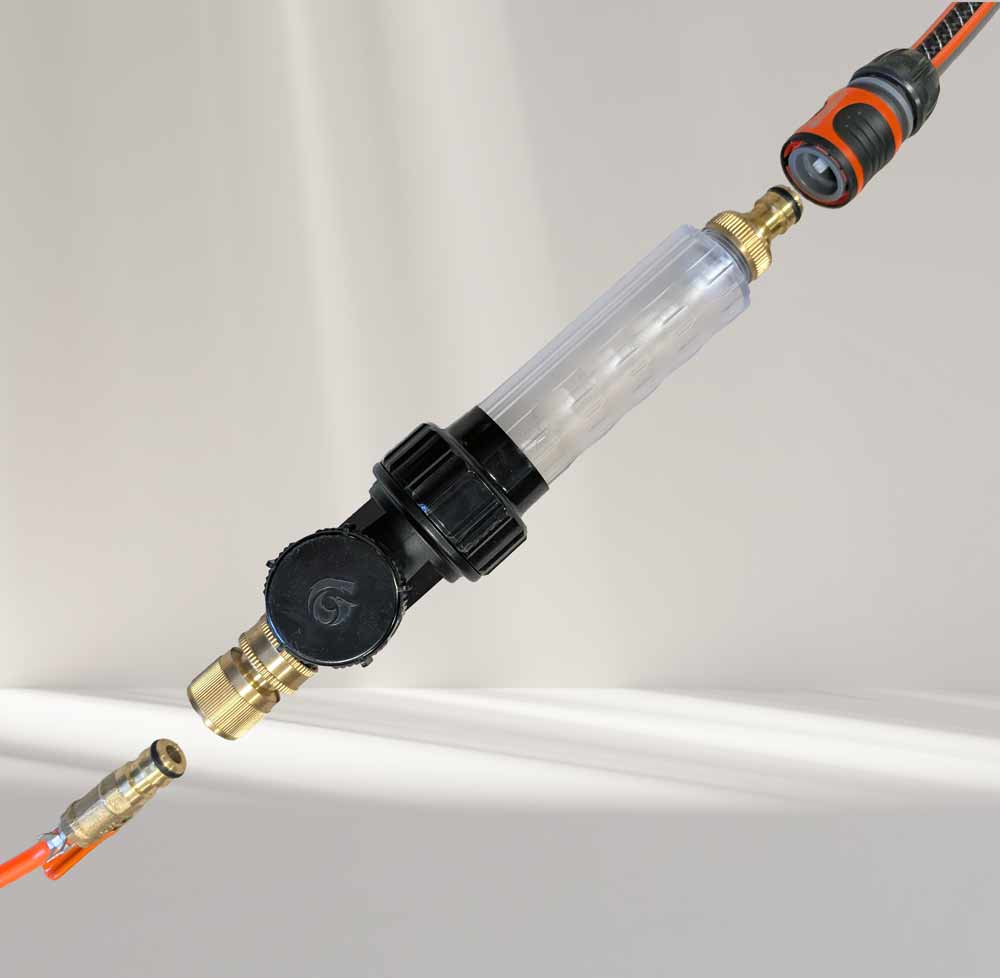
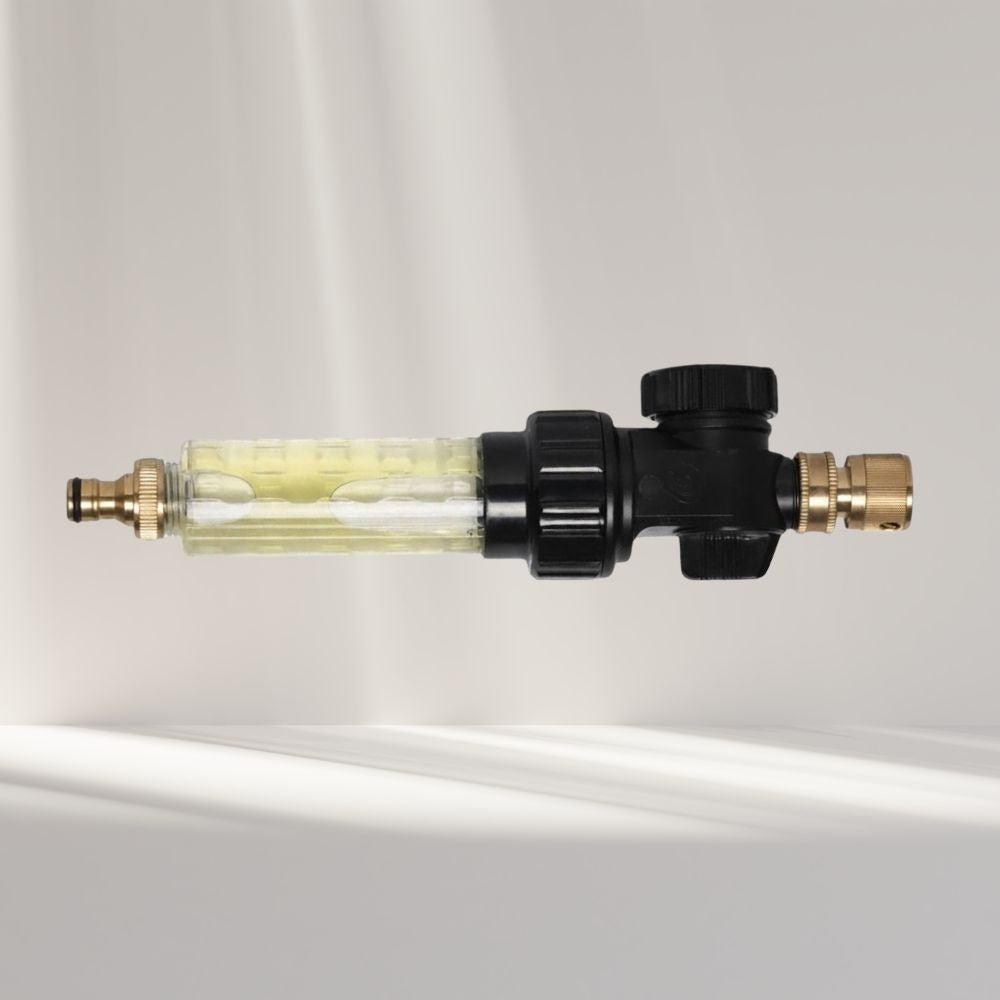
SoapFlow Soap Dispenser
Brass fittings that suit any Gardena connector, a control dial for precise dosing and quick switching between soap and clean water. Fit it between hose and pole and fill it with Allround Cleaner.
Checklist before the cover goes on
- 1Roof washed, including the edges around rooflights, aerial and solar panels.
- 2Sides, windows and lower panels washed, wheel arches last.
- 3Bird droppings, insects and sap completely gone — not just diluted.
- 4Rinsed with soft water, no soap left in joints and seals.
- 5Sealant and window rubbers checked; any cracks noted or repaired.
- 6Rooflights, windows and vents closed or set as the handbook advises.
- 7Vehicle completely dry before the cover goes on.
- 8Pole, hose and brush rinsed and stored dry.
A quick detour: the boat in the marina
If you’ve got a boat as well as a caravan, the same kit does the job. The SoftWash Brush is made for gelcoat too, and from the pontoon you’re working on solid ground just as you are beside the caravan. After use in salt water, rinse the pole, hose and brush well with fresh water.
For jobs around the marina there’s the Boat Hook Pro: a sturdy hook for pulling, hooking and positioning, at a distance and from the quayside. It clicks onto the same pole with HexaLock® — the one that had the brush on a moment ago.
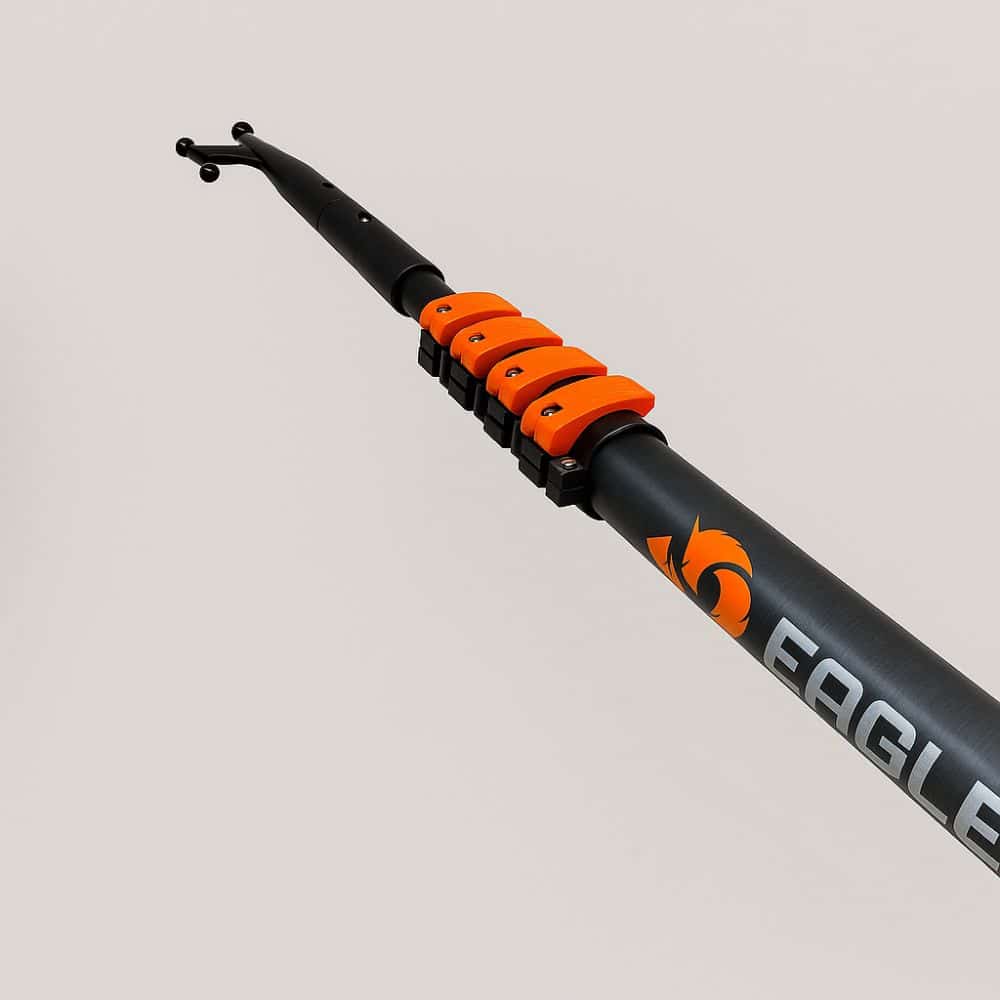
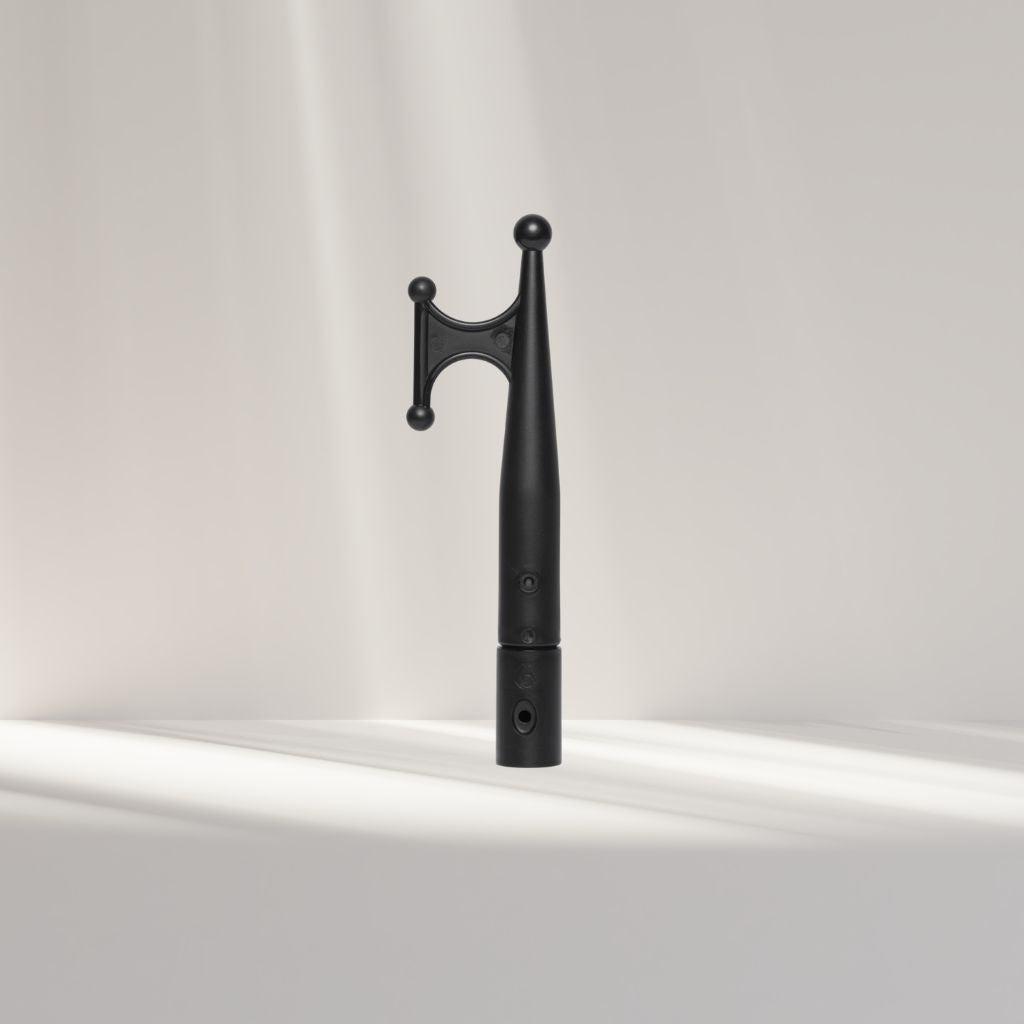
Boat Hook Pro
A sturdy telescopic boat hook for pulling, hooking and positioning — also handy for hanging lights or decorations. HexaLock® one-click fitting, compatible with every Eagle Extend® telescopic pole.
Caravan, motorhome and van cleaning
Wash tall vehicles from roof to wheels without scratching — no car wash, step ladder or scaffolding needed.